
Starting BJJ at 30, 40, or 50 — Is It Too Late?
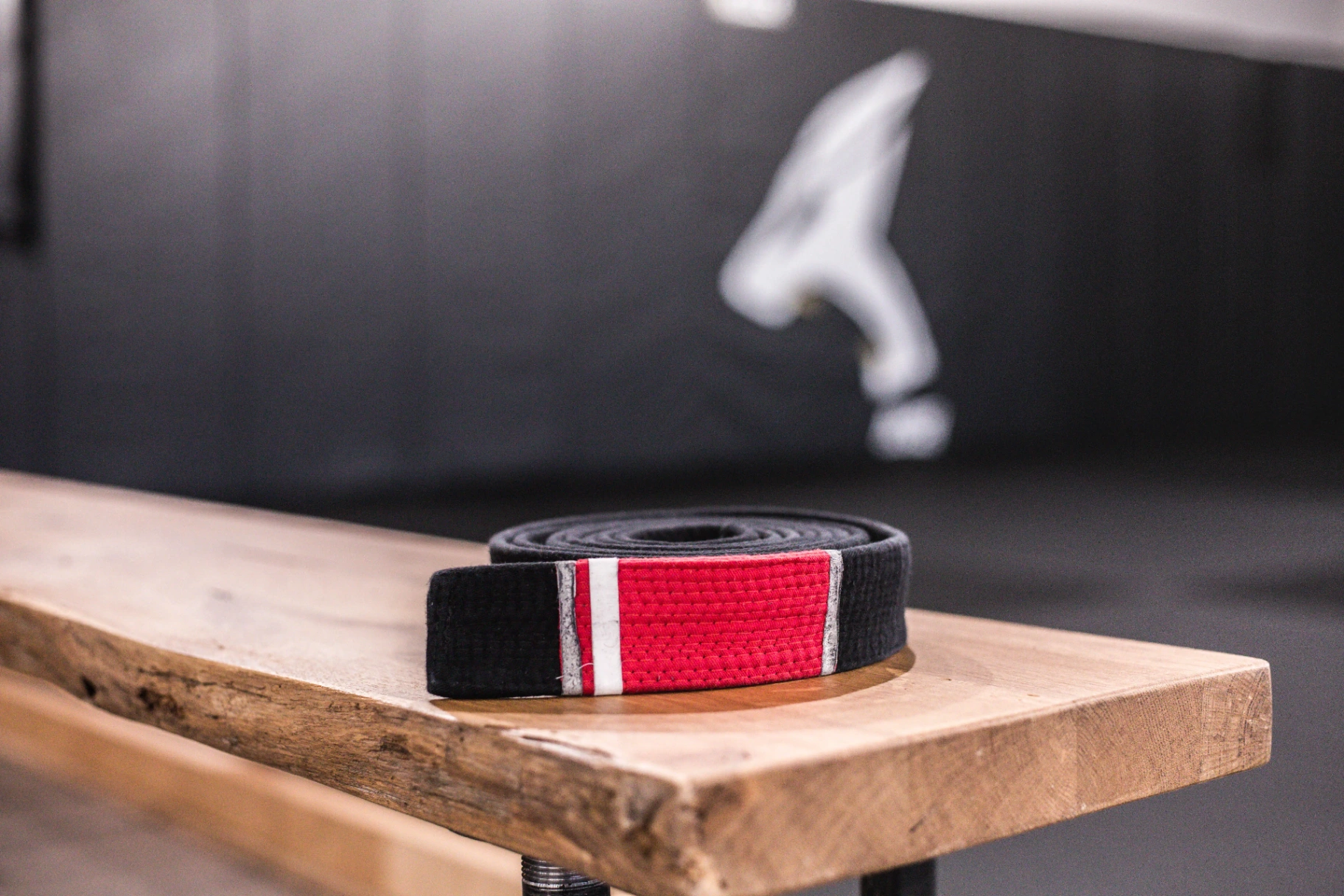
You are not too old. If you can walk up a flight of stairs, you can start Brazilian Jiu Jitsu.
The honest truth: "I'm too old" is the most expensive lie adults tell themselves. It costs you years of better sleep, real friendships, a body that moves, and the kind of confidence that only comes from doing hard things on purpose.
I've heard the same fear from 28-year-olds and 58-year-olds. The answer is the same. Let's go through it.
34
Avg. age of a new Logic student
48
Age Coach Gina started training
2×
World titles she won after 50
She Started at 48. Now She's a 59-Year-Old Black Belt and 3x World Champion.
Gina walked onto the mat in her late 40s. No athletic background to speak of. Just curiosity and the willingness to be a beginner in front of people half her age.
Eleven years later, she's a Brazilian Jiu Jitsu black belt, a 3x IBJJF World Champion, and one of Logic's head instructors. She rolls with purple belts in their 20s on a weekly basis — and she's the one teaching them.
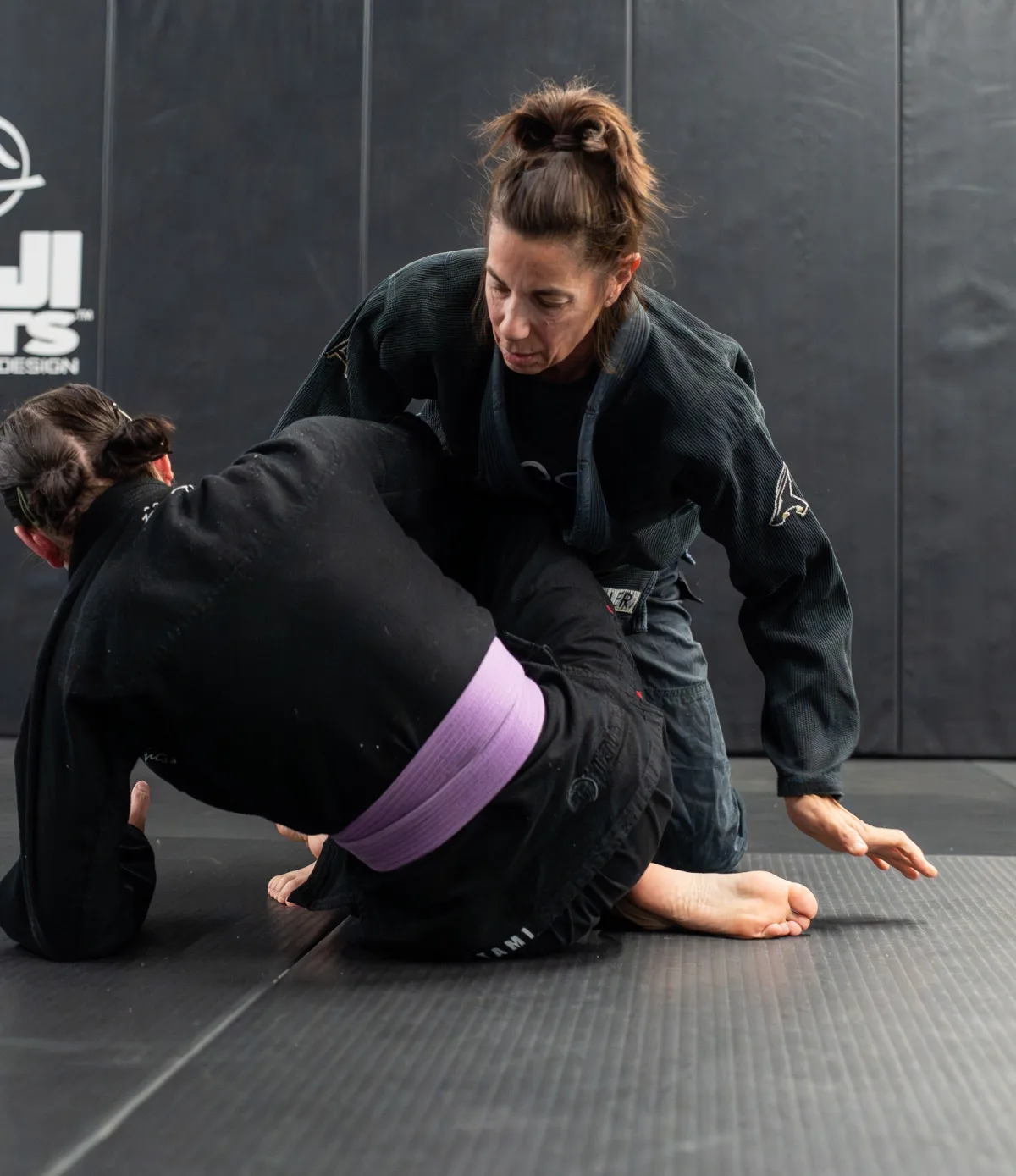
"If I had listened to the voice that said I was too old, I would have missed the best decade of my life."
She is not the exception. She is the proof.
Who Is Actually in the Room?
Walk into a Logic beginner class on a Tuesday night. You'll see:
- →A 41-year-old project manager who hasn't worked out since college.
- →A 36-year-old new mom looking for one thing that's hers.
- →A 52-year-old contractor whose back doctor said "you need to move differently."
- →A 29-year-old who is, in fact, the youngest person there.
The 22-year-old college athlete is the rare one. You will not be the oldest person on the mat. You will not be the most out of shape. And nobody is going to look at you funny — they were exactly where you are six months ago.
The Real Fears (And the Honest Answers)
"I'll look stupid."
You will, for about three weeks. Then you won't. Everyone in that room was just as bad as you on day one. They remember exactly what it felt like — and they want you to make it through.
"I'll get hurt."
At Logic, beginner classes are heavily controlled. We teach you to fall before we teach you anything else. You tap early, you tap often, and you train with people who know how to keep your body intact. Most injuries in BJJ come from ego — not age.
"I'm not in shape for this."
Nobody is. That's why you're starting. Two weeks in, your conditioning will be better than three months of treadmill work — because you actually showed up for it.
"I don't have time."
Two classes a week. 50 minutes each. That's less time than you spent on your phone today.
What's Actually Different About Training in Your 30s, 40s, and 50s
- →Recovery takes longer. Two great classes a week beats five rough ones. We coach you to train smart, not hard.
- →Partner selection matters. You learn which bodies and belts match your pace. You're not thrown to the wolves.
- →Technique beats explosiveness. Older players win with timing, leverage, and patience — exactly what BJJ was built to reward.
- →You actually pay attention. 22-year-olds blow past coaching details. Adults soak them up. You will get good faster because of your age, not despite it.
- →You appreciate showing up. Adults stay longer than kids and 20-somethings. That's the entire game — the people who keep showing up are the ones who earn the belts.
Your First 90 Days After 35 — What to Actually Expect
Weeks 1–2 · The Wake-Up
Sore in places you forgot existed. Drink water, sleep, and show up to the next class anyway. The soreness is the body remembering how to move.
Weeks 3–6 · It Starts to Click
Soreness drops. Positions start to have names. You begin to recognize what's happening instead of just reacting. First small wins.
Weeks 7–12 · You're a Training Partner
Coordination jumps. You're not the person being tossed around — you're holding your own. Better sleep. Lower stress. You start telling your friends.
It's Also a Lifestyle Change
The adults who start in their 30s and 40s often come in for one thing — a workout, a stress outlet, self-defense — and walk out a year later with a different body and a different life.

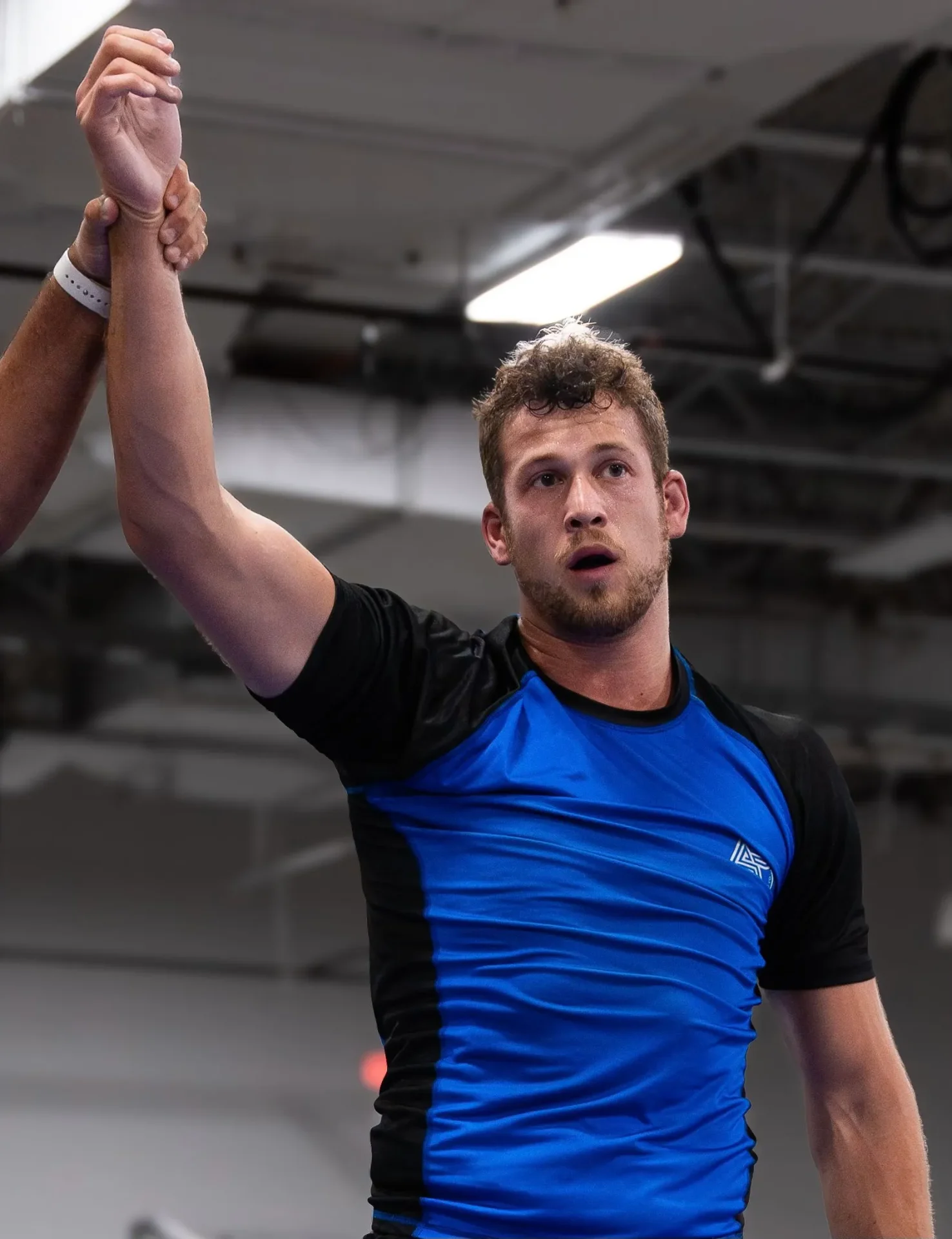
"I came in for a workout I wouldn't quit. Two years later I'm 60 pounds lighter, a blue belt, and helping coach the new white belts. I'm 38. Wish I started at 28."
Why Older Starts Often Go Further
Younger athletes drop out at higher rates. They get bored, they get hurt trying to muscle through positions, they assume they should already be good.
Older starts walk in with patience. They treat the coaching as gold. They stack consistent weeks. That's how blue belts become purple belts, and how Coach Gina goes from 48-year-old white belt to 59-year-old World Champion black belt. Consistency beats youth every single time.
"I'm Too Out of Shape to Start"
This is the real objection hiding behind "I'm too old." So here is the honest conditioning timeline for an adult who hasn't trained in years:
- Class 1You gas out during the warmup. Your forearms burn from gripping. You take a knee at least once. Every single person in the room has done this.
- Class 2–4Soreness in muscles you didn't know existed — neck, obliques, hip flexors. Walking downstairs is a project. This is the worst stretch, and it is short.
- Class 5–8The soreness stops. You finish rounds without stopping. Your breathing settles because you've stopped panicking, which is 80% of what "cardio" means in jiu jitsu.
- Month 2–3Clothes fit differently. You sleep better. You're the person telling a coworker they should try it.
Nobody gets in shape and then starts jiu jitsu. They start jiu jitsu and get in shape. Six weeks of "getting ready" at a gym you hate is six weeks you could have spent on the mat.
What Changes By Decade
Age doesn't stop you from learning jiu jitsu. It changes how you should manage volume and recovery. Here is the practical version:
| Starting age | Sensible weekly volume | What to protect | Biggest advantage |
|---|---|---|---|
| 30s | 3–4 classes | Ego. Most 30s injuries come from trying to win rounds with strength. | Still recovers fast — you can train more often than you think. |
| 40s | 2–3 classes, rest day between | Lower back, knees, ribs. Tap early, skip leg locks as a beginner. | Patience. You listen to coaching instead of guessing. |
| 50s and up | 2 classes, technique-heavy | Neck, shoulders, wrists. Choose partners deliberately. | Consistency over years — which is exactly how belts are earned. |
Training With a Body That Already Has Miles On It
Most adults over 35 walk in with something — an old knee, a cranky lower back, a shoulder that clicks. That is not a disqualifier. It's information your coach needs before class, not after something hurts.
- ✓Bad knees: start rounds from the knees or seated, skip explosive standing takedown drills, never let a leg entanglement continue.
- ✓Lower back: skip inversions and bridging drills, keep your hips under you, and tap instead of defending with a loaded spine.
- ✓Shoulders: tap on arm attacks the moment you feel tension. There is no medal for holding out three extra seconds.
- ✓Any medical restriction: get cleared by your doctor. Then tell us the restriction, in plain language, before your first class.
A gym that can't accommodate that is the wrong gym. In our beginners-only room, coaches assign partners and watch every round specifically so this doesn't get left to chance. More detail here: Will I get hurt in BJJ?
The Three Mistakes Older Beginners Make
- Training like a 22-year-old. Five days in week one, strain in week two, gone by week three. Two to three classes a week for a year beats a heroic month.
- Defending too long. Late taps cause almost every avoidable beginner injury. Tapping is how you get to train tomorrow.
- Comparing up. The person smashing you has three years of mat time. Compare yourself to who you were four weeks ago instead — that's the only honest measurement.
The next class is tonight
Stop waiting until you're "ready."
Your first 2 weeks are free. Built for adults who haven't trained in years — or ever. Real coaching, controlled pace, a room full of people exactly like you.
Start Jiu Jitsu →Want the full first-class breakdown?
Read: Your First BJJ Class — What to Expect →Your first 2 weeks are free.
No fitness required. No experience needed. Train for 2 weeks, on us — you only buy your gear kit, and you keep it either way.
Start My Free 2 Weeks →